Key takeaways:
- An instrument, whether a synthesizer or an AI tool, can amplify the creativity of the person using it.
- When synthesizers became popular, fears of being replaced ran high among musicians, but the instrument didn't replace them, it created a new way for them to work.
- Accelerating creativity means giving people with real expertise a faster way to act on their judgment, not simply producing more content at a faster pace.
Share this post:
Subscribe:
Get the latest news and insights from Integreon delivered to your inbox.
I’ve spent enough years around a keyboard, both the musical and laptop kind, to know that an instrument is only as good as the person playing it. AI is the newest “instrument” to land in our hands, and the same rule applies. It can move fast, do more, but what it produces still depends on you.
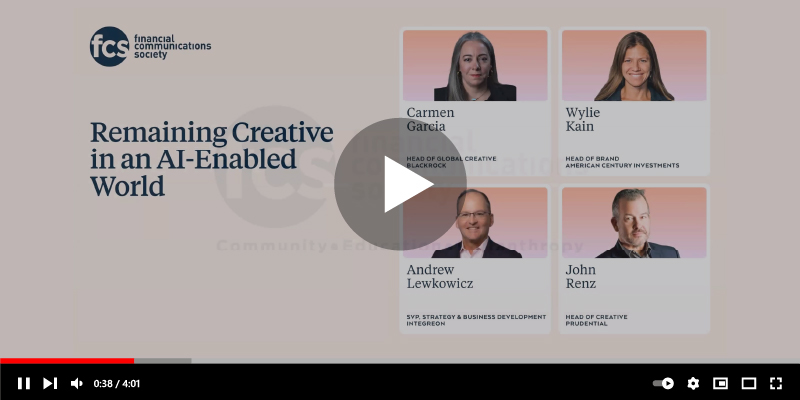
Last week, in our webinar “Remaining Creative in an AI-Enabled World,” the panel came to a similar consensus, circling around the idea of AI as an accelerator of creativity, a tool to push boundaries. The conversation reminded me of what happened when synthesizers first started becoming popular in music.
New instrument, new skill.
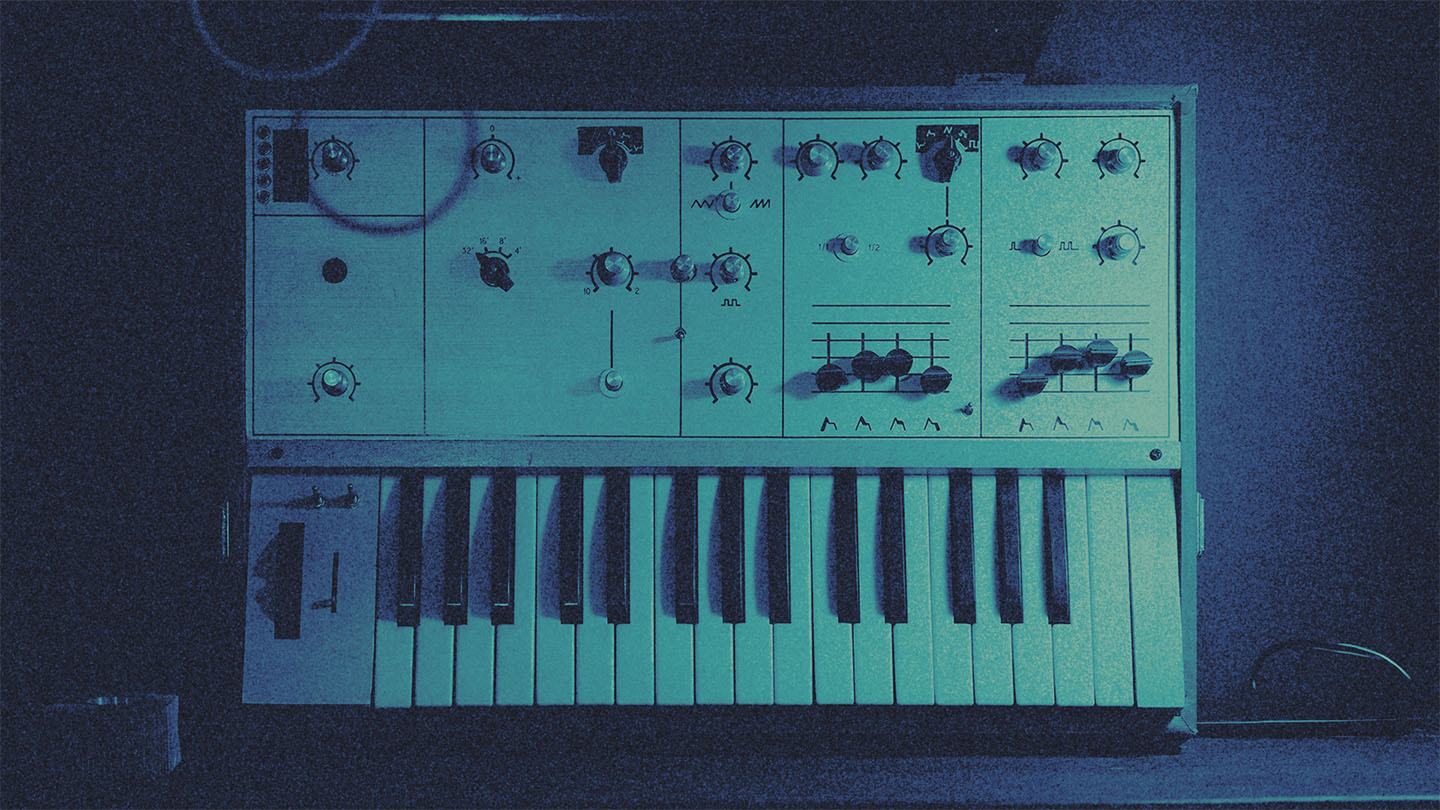
With the birth of the Moog in the 1960s and the smaller, more portable Minimoog in the 70s, synthesizers moved out of the studio and onto the stage, making it easier than ever to create big, orchestral sounds with just one person. In the 80s, the Moog was briefly banned by the American Federation of Musicians, and in the UK, a motion was made in the Musicians Union to prohibit the use of synthesizers and drum machines. The fear was that the machines would take away the work of skilled musicians. What they came to realize was that the synthesizer wasn’t a replacement for a real orchestra; it was a new sound, a new instrument that required its own skill.
The examples of this are many. In 1968, Wendy Carlos recorded an album of Bach compositions on an early Moog that could play only one note at a time and had to be retuned between each note. The album, Switched-On Bach, went platinum and won three Grammys. A decade later, the German group Kraftwerk took the Minimoog and pioneered a new electronic genre, becoming arguably one of the most influential bands in pop music.
Both of these examples emphasize the same point: a new instrument brings new ideas, new skills, and pushes creativity forward.
That brings us back to the webinar discussion.
The panel included three executives who run creative and marketing operations at scale – Carmen Garcia at BlackRock, Wylie Kain at American Century Investments, and John Renz at Prudential. Each of them brought their own perspective and experience to the discussion, and all three landed on the same premise from different directions: AI can accelerate creativity.
John Renz compared this to when desktop publishing arrived and rewired how creative work got made, almost overnight. The people who learned the new tools and used them with skill came out ahead.
Wylie Kain pointed out that AI has made it possible for almost anyone to produce a decent-looking ad without any real training. But that doesn’t mean it’s a good or effective ad. You still need the experience, expertise, and skill of the creative person to get the best result.
Carmen Garcia reinforced this idea with a quote she keeps in her office: AI is not unlocking creativity; it is exposing who has it.
Creativity amplified.
Accelerating creativity and accelerating output aren’t the same thing, even though AI can make both feel identical in the moment. Without expertise and judgment, faster isn’t always better. But when you combine something new and powerful with skill and expertise, like synthesizers for musicians, or AI tools for creatives, you get creativity that moves forward.
How is your team using AI right now? Do you see AI as an instrument or a machine?
Watch the webinar: Remaining Creative in an AI-Enabled World